Use this checklist in order. Look first, then read the records, then drive. If any stage raises doubts, a professional pre-purchase inspection is a small cost compared with an unexpected repair.
Start With the Body and Frame
Walk around the car in good light. Look for uneven panel gaps, mismatched paint, overspray on trim and fresh bolts on doors or bonnets. These often point to accident repairs rather than cosmetic wear.
Check the lower sills, wheel arches and floor for corrosion. Surface rust on exhaust parts is normal; bubbling paint on structural areas is not. Tyres should wear evenly, which hints at a healthy suspension and alignment.
Read the Service History
A stamped book or digital record should match the mileage on the clock. Look for regular oil changes, timing belt or chain notes, brake work and any recall repairs. Gaps in history are not automatic deal breakers but need questions.
Check that the VIN on the dashboard matches the documents and the body plate. Search for outstanding recalls and confirm the car is not recorded as written off or stolen. Paperwork is as important as the mechanical check.
Make the Test Drive Count
Start the car from cold and listen for rattles that fade as the engine warms. During the drive, check that steering tracks straight, the gearbox changes without hesitation and the brakes pull evenly without pulsing.
Drive over a rough patch and listen for knocks from the suspension. Test the air conditioning, wipers, lights, electric windows and infotainment. A short drive around the block will not reveal problems that appear after twenty minutes.

Know When to Walk Away
Walk away from a seller who refuses an independent inspection, cannot explain the history or pressures you to pay a deposit immediately. Oil smells on the dipstick, milky oil under the cap and coolant loss are serious warnings.
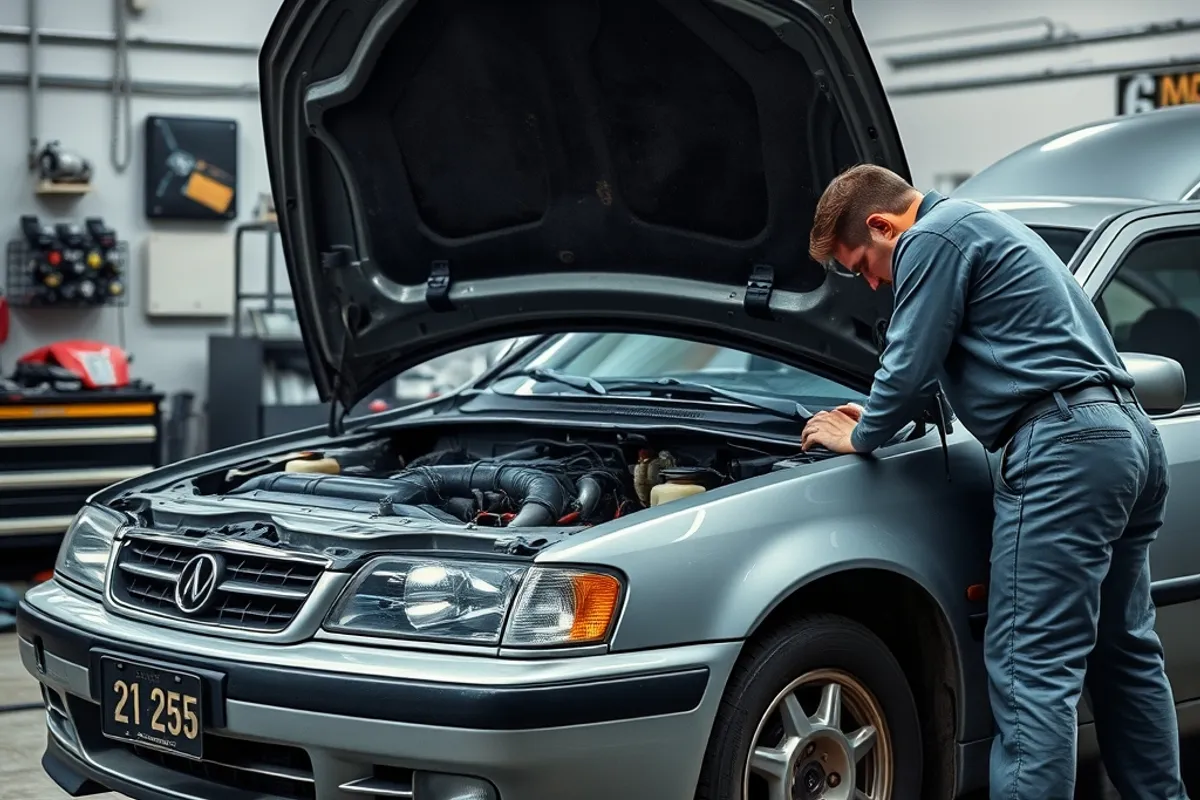
A pre-purchase inspection by a trusted workshop gives you a clear repair list and negotiating power. It is the best value step in the entire process, especially for a car older than five years or one with a modified history.
The best deal is the car you can verify, not the one with the lowest sticker price.
Used car financing basicsOil change guideVehicle safety information