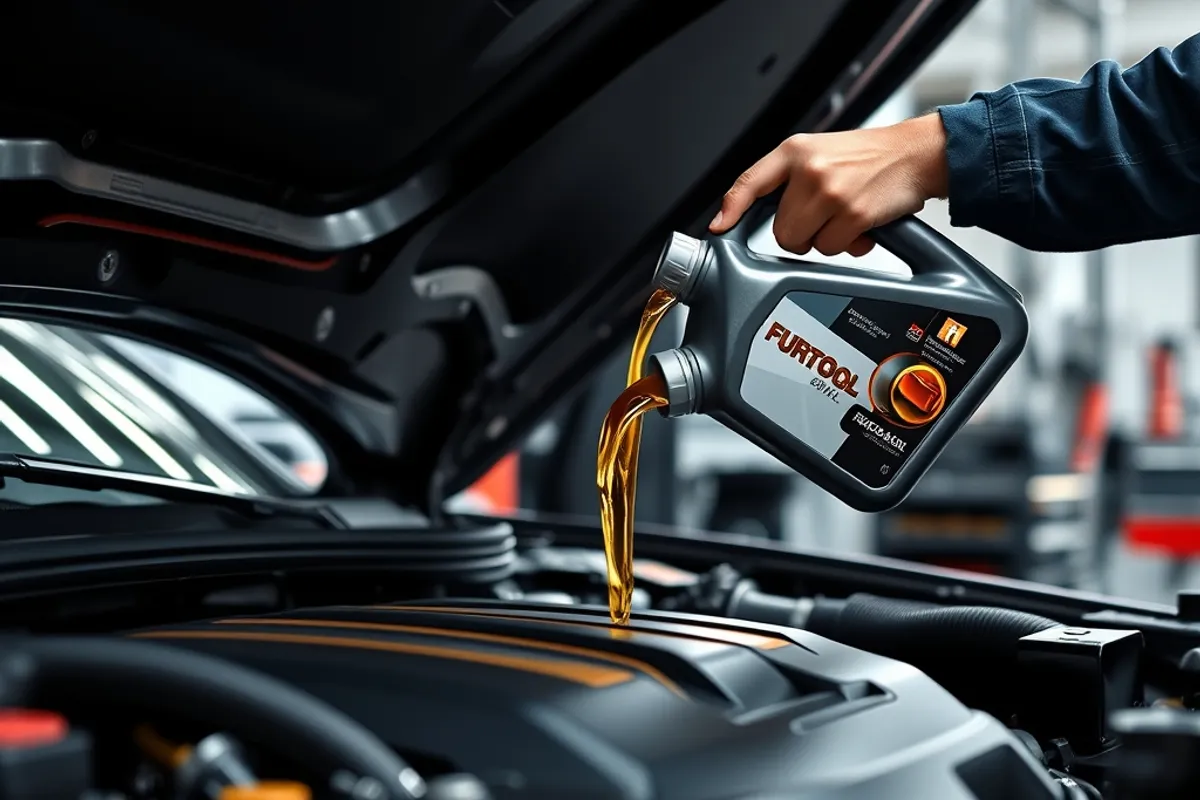
The right schedule depends on the engine, the oil grade and how the car is used. A short commute in cold traffic is harder on oil than a steady highway run. This guide explains how to choose an interval that fits your driving instead of guessing.
What Engine Oil Actually Does
Oil forms a thin film between parts that never truly touch. Without that film, metal surfaces weld and tear at microscopic level. The oil also picks up heat from pistons and carries it to the sump, where it can cool before circulating again.
Modern oils contain detergents that hold soot and sludge in suspension until the filter catches them. Over time those additives are used up. The oil can still look dark and be perfectly serviceable, but once additives are spent the engine loses protection.
How to Find the Right Interval
Start with the owner manual, not the quick-lube poster. Many modern petrol engines approve long intervals with fully synthetic oil, while older engines and turbocharged designs often call for shorter changes. The manual also lists the required specification.
Treat severe service as the default for most real driving. Short trips under ten kilometres, frequent idling, dusty roads, towing and lots of stop-start traffic all count. If most of your driving looks like that, shorten the interval even if the manual allows a longer one.
Choosing the Right Oil Grade
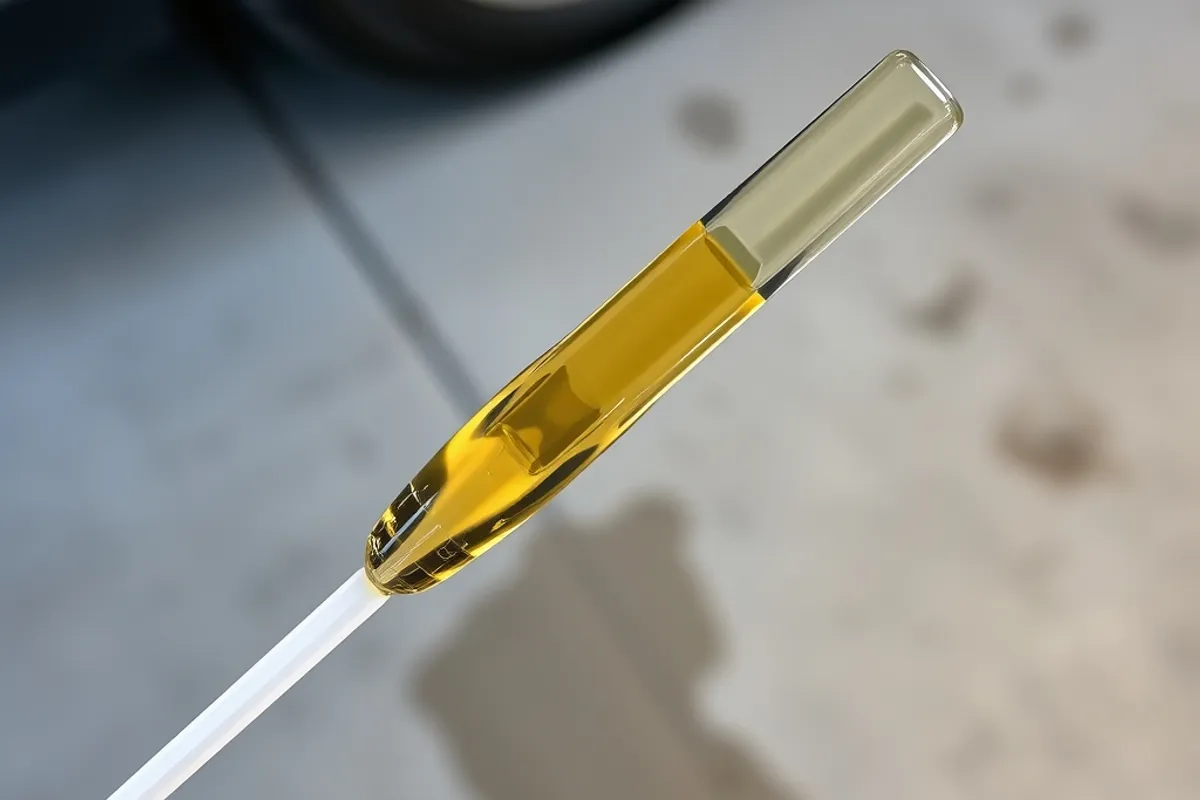
The grade printed on the bottle, such as 5W-30, describes viscosity at cold and hot temperatures. The specification printed in the manual matters just as much because it confirms the oil meets the engine maker’s test requirements.
Full synthetic oil resists breakdown better than conventional oil and handles temperature swings more consistently. A high mileage formula can help older engines that consume a little oil, but it is not a repair for a worn seal. Never choose a grade only because it is on sale.
A Simple Habit That Pays Off
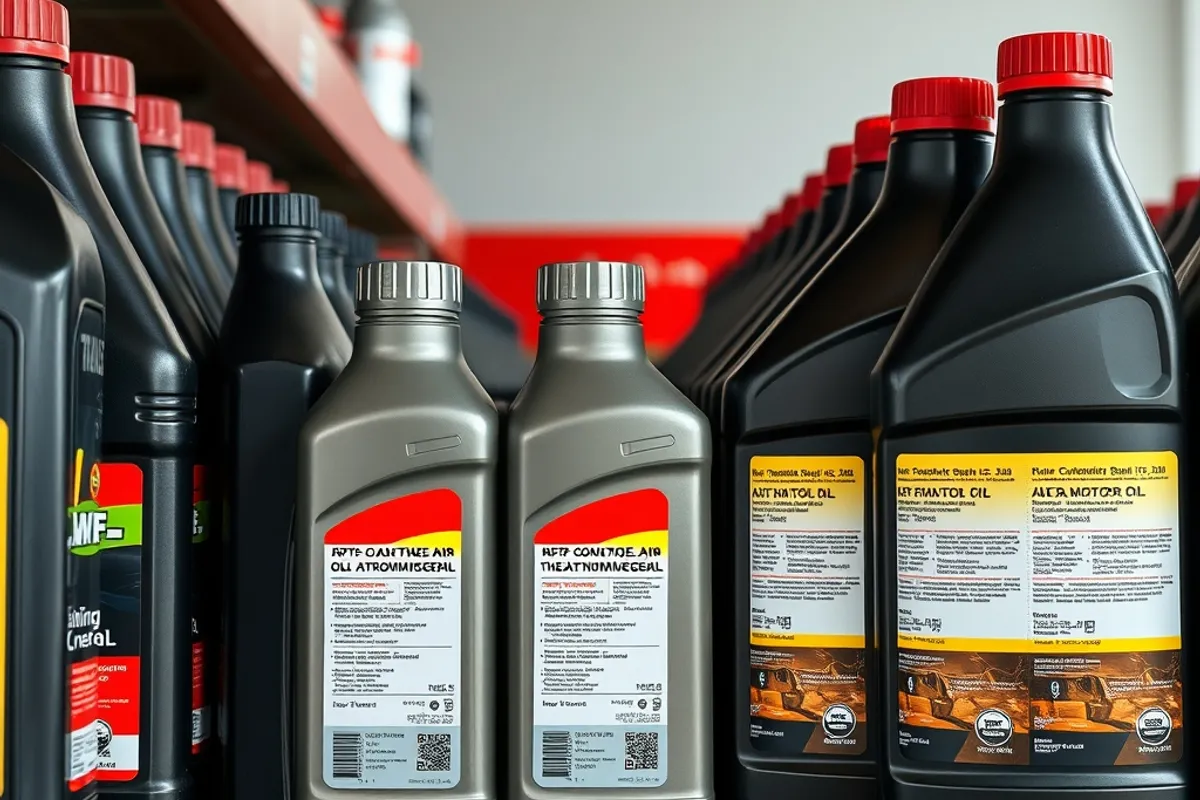
Check the dipstick once a month on level ground and note the level. A steady drop between checks points to consumption or a leak worth investigating early. Also watch the oil pressure warning light, which should never be ignored.
Keep receipts and record the date and mileage of every change. A clear service history helps resale value and makes warranty discussions simple. Used oil belongs at a collection point, never in a drain or the bin.

Fresh oil is the cheapest insurance an engine can buy.
Tire care basicsUsed car inspection checklistFuel economy and maintenance basics