This guide covers the habits that add mileage to a set of tires without risking grip. None of them require a lift or specialist tools, and each one takes a few minutes.
Pressure Is a Monthly Job
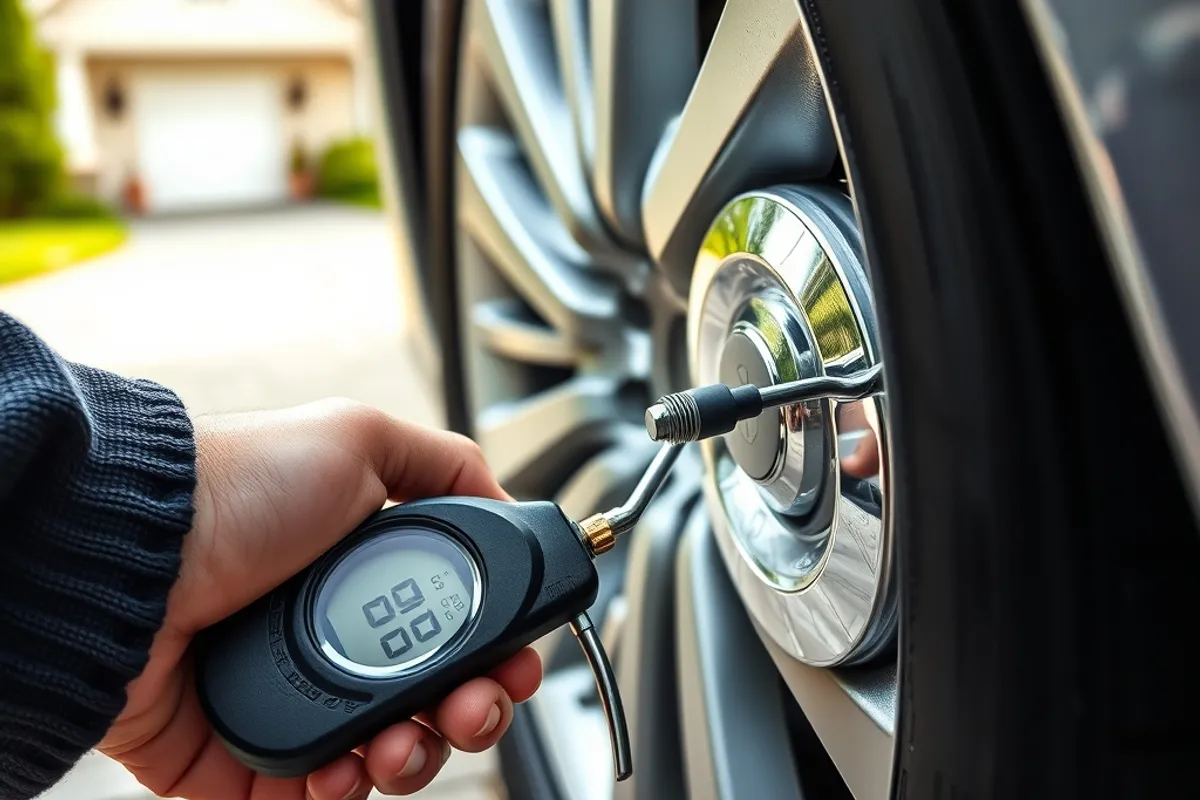
Check pressure when the tires are cold, before the car has been driven or after it has sat for three hours. Use the figure on the door jamb or in the manual, not the number printed on the tire sidewall, which is a maximum rating.
Underinflated tires flex more, build heat and wear the shoulders. Overinflated tires ride harshly and wear the centre. Both reduce grip. A small digital gauge kept in the glovebox is more accurate than the gauge on a fuel station air line.
Rotation and Balance
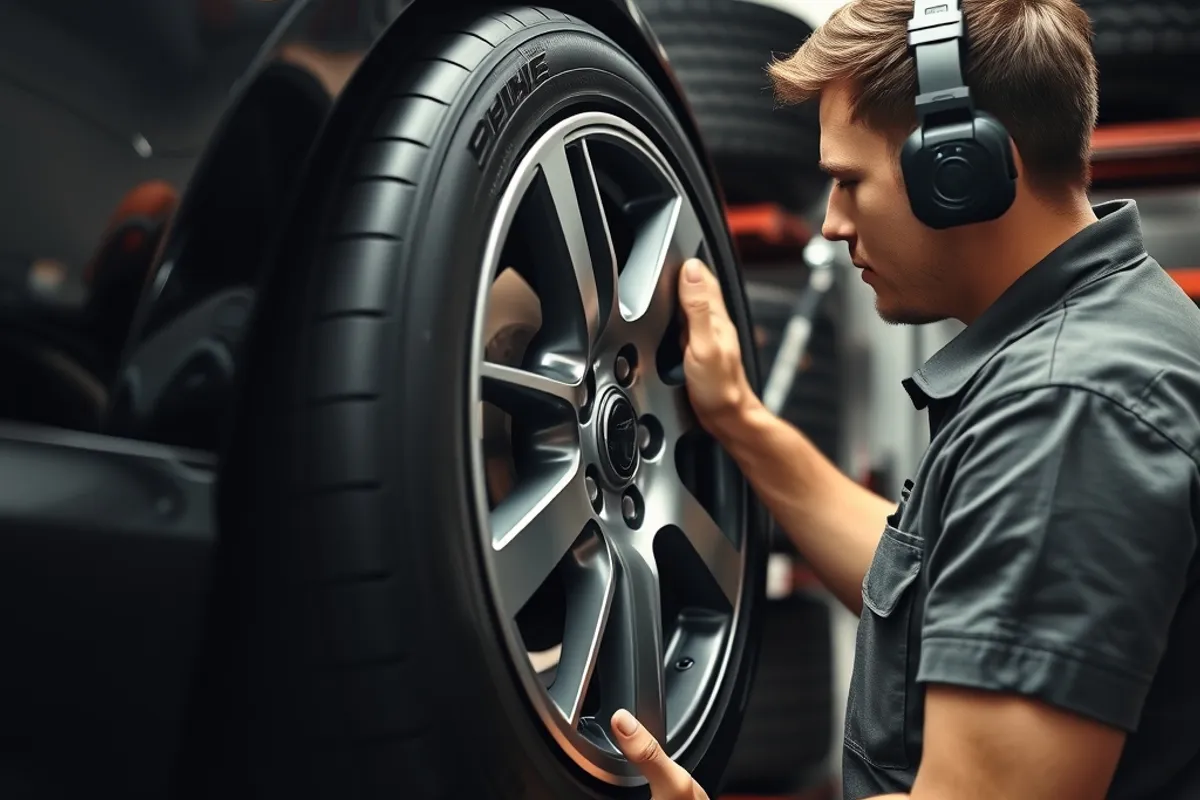
Front tires work harder because they steer and carry more weight under braking. Rotating them spreads that wear. A usual interval is every ten thousand kilometres, but follow the manual if the car has directional tires or a performance layout.
Balance weights matter too. If the steering wheel vibrates at speed, a wheel may be out of balance. A thump that follows road speed often points to a damaged tyre or a worn suspension component rather than balance.
Reading the Tread
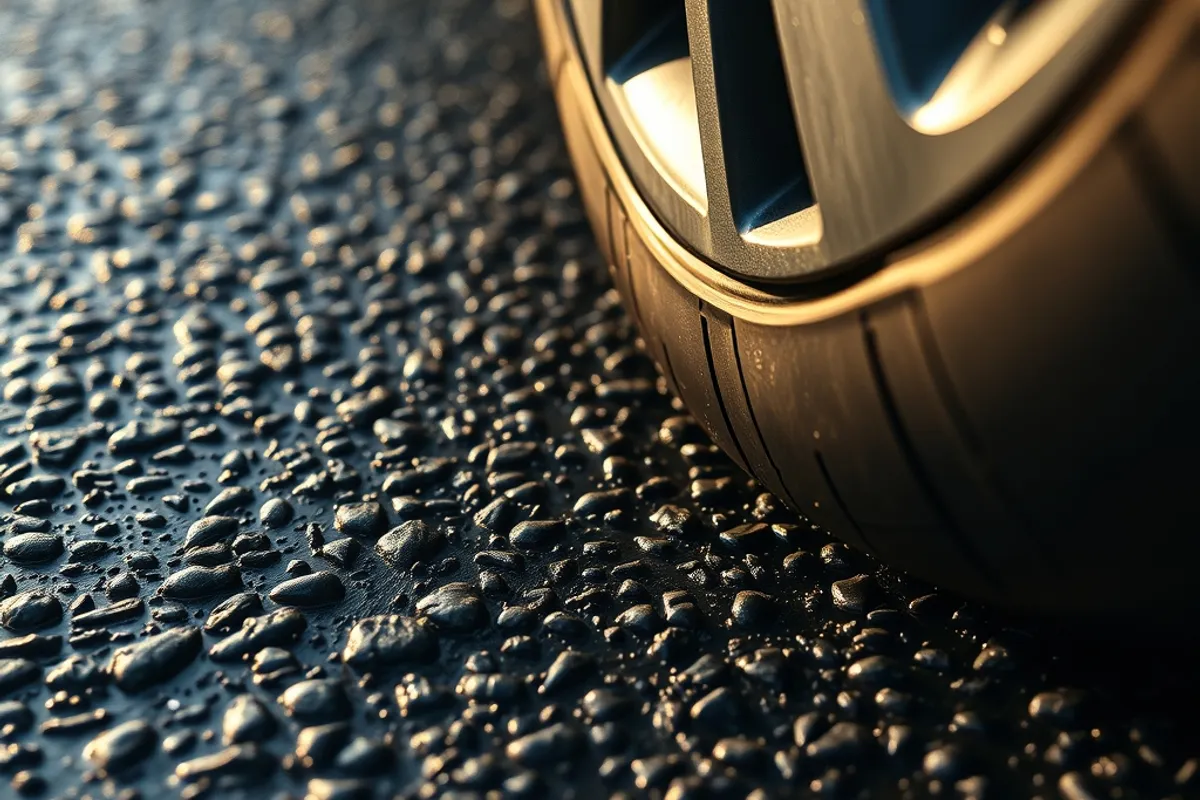
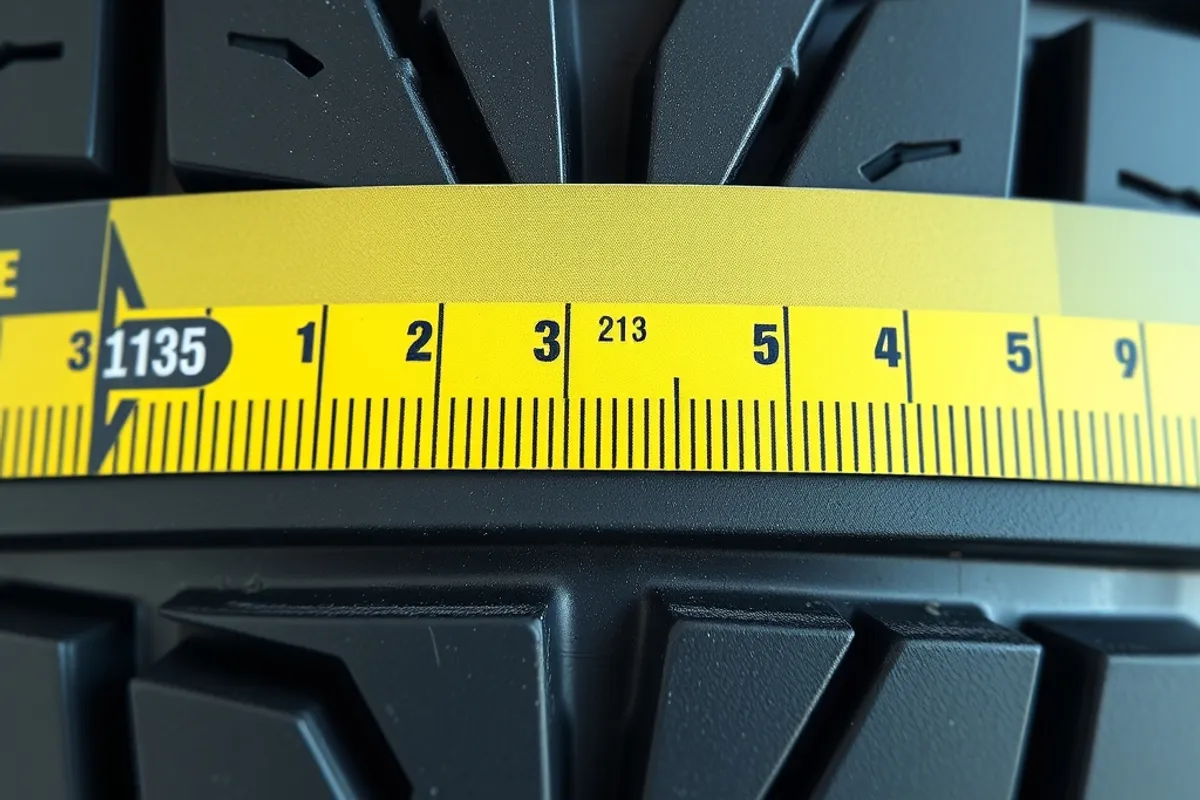
Moulded wear bars appear across the grooves when tread reaches the legal limit. Do not wait for them. A tread depth gauge gives a clearer picture, and wet braking worsens well before the bars are level with the surface.
Look across the full width of the tire. Wear on both edges suggests low pressure, centre wear suggests overinflation, and feathering on one side points to alignment. Uneven wear usually has a cause that can be fixed.
When to Replace
Replace tires when tread is low, when sidewalls are cracked or bulged, or after repeated punctures in the same area. Age matters as well: rubber hardens over time even if the tread looks fresh. Check the four digit date code on the sidewall.
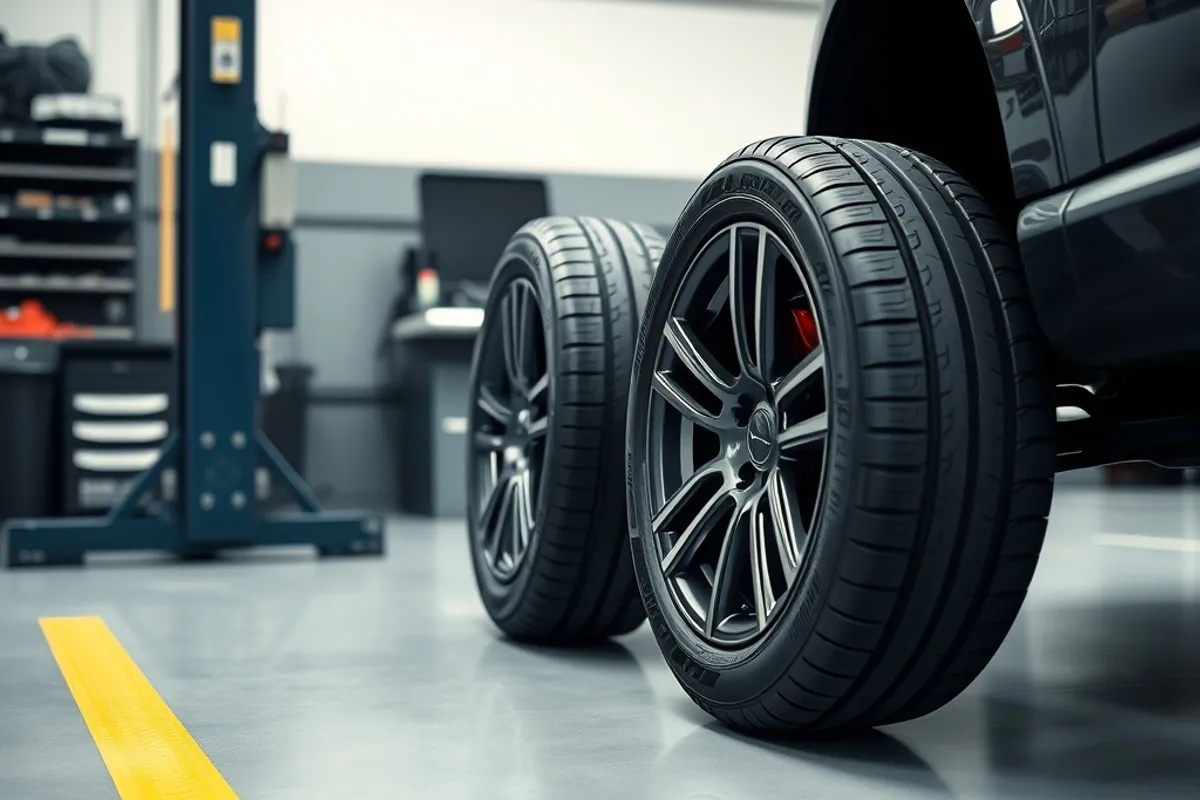
Fit new tires in pairs on the same axle at minimum, and keep the best pair on the rear. That helps the car remain stable in wet conditions. After fitting, ask for the wheel nuts to be torqued to specification rather than tightened by feel.
A gauge costs less than a tank of fuel and tells you more about safety.
Oil change intervalsDriving in the rainNational Highway Traffic Safety Administration