A few deliberate habits make a large difference. They start before you pull away and continue until the road has dried.
See and Be Seen
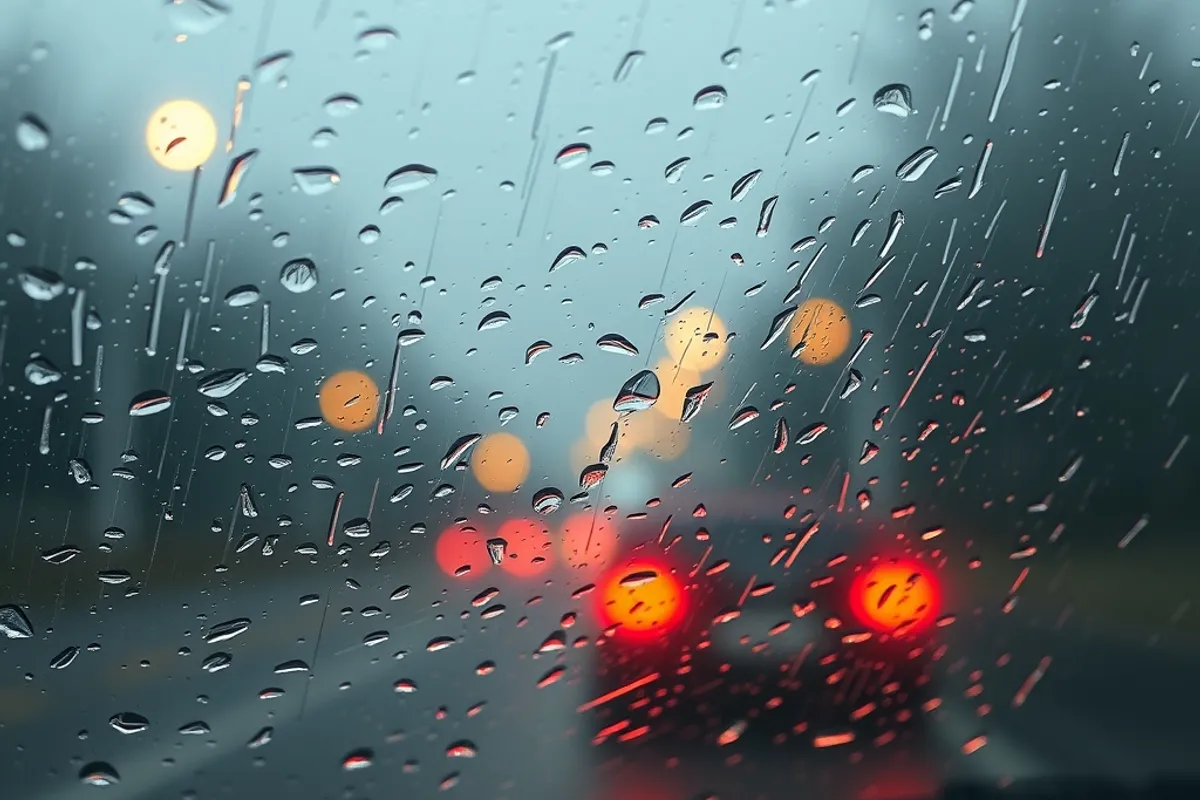
Turn the headlights on when rain reduces visibility, even during the day. Use the mist setting if the windscreen fogs, and make sure the wiper blades are not leaving streaks. Worn blades cost little to replace.
Clear the rear window and mirrors too. If droplets are beading badly, a quality rain repellent treatment can help, but it is not a substitute for good wipers and sensible speed.
Slow Down Smoothly
Wet roads reduce tyre grip, especially in the first minutes of light rain when oil rises from the surface. Brake earlier, accelerate gently and avoid sudden steering inputs. Smooth inputs keep the tyres loaded evenly.
Reduce speed rather than trying to keep the dry-road pace. The legal limit describes ideal conditions, not a target for heavy rain. A small reduction in speed gives you far more time to react.

Leave More Space
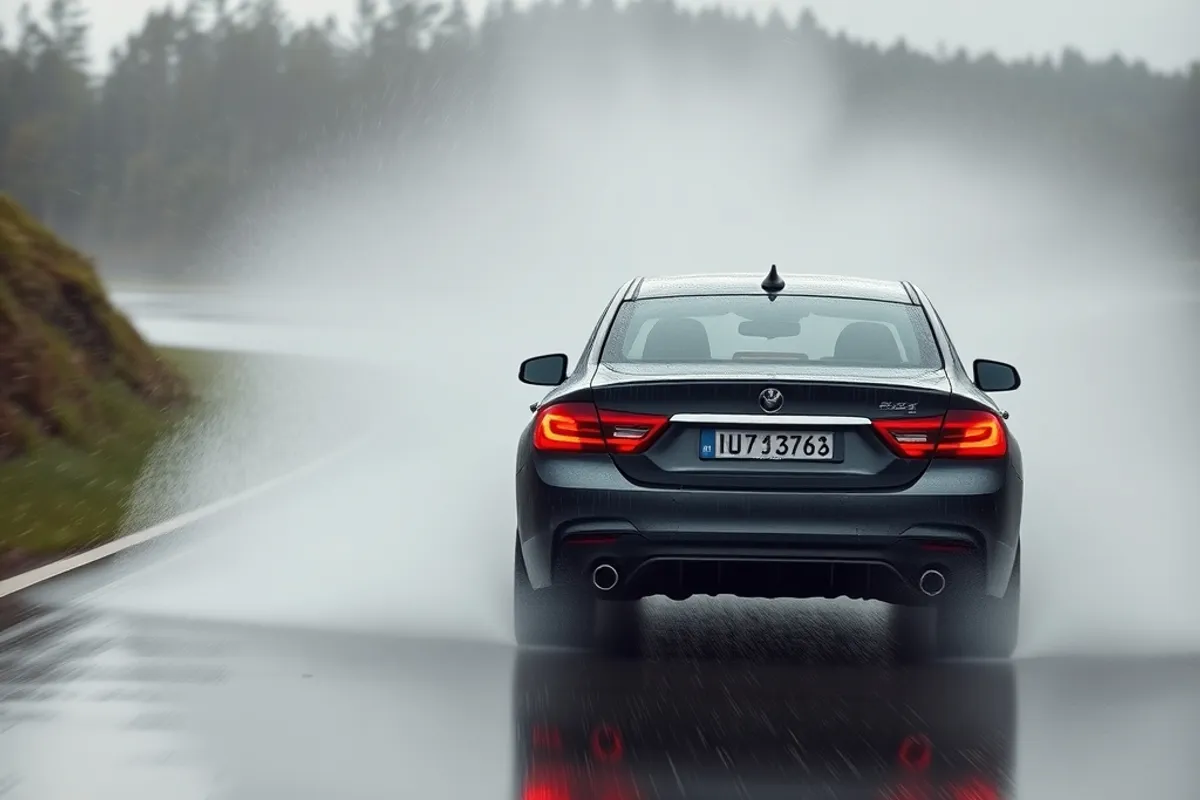
Increase following distance to at least double the dry-road gap. Spray from other vehicles cuts visibility, and someone braking ahead needs room that wet tyres cannot provide at the usual distance.
Avoid following large trucks closely; their spray is heavy and their braking distance is significant. Overtake only when you can see a clear, long gap and complete the manoeuvre decisively.

If the Car Hydroplanes
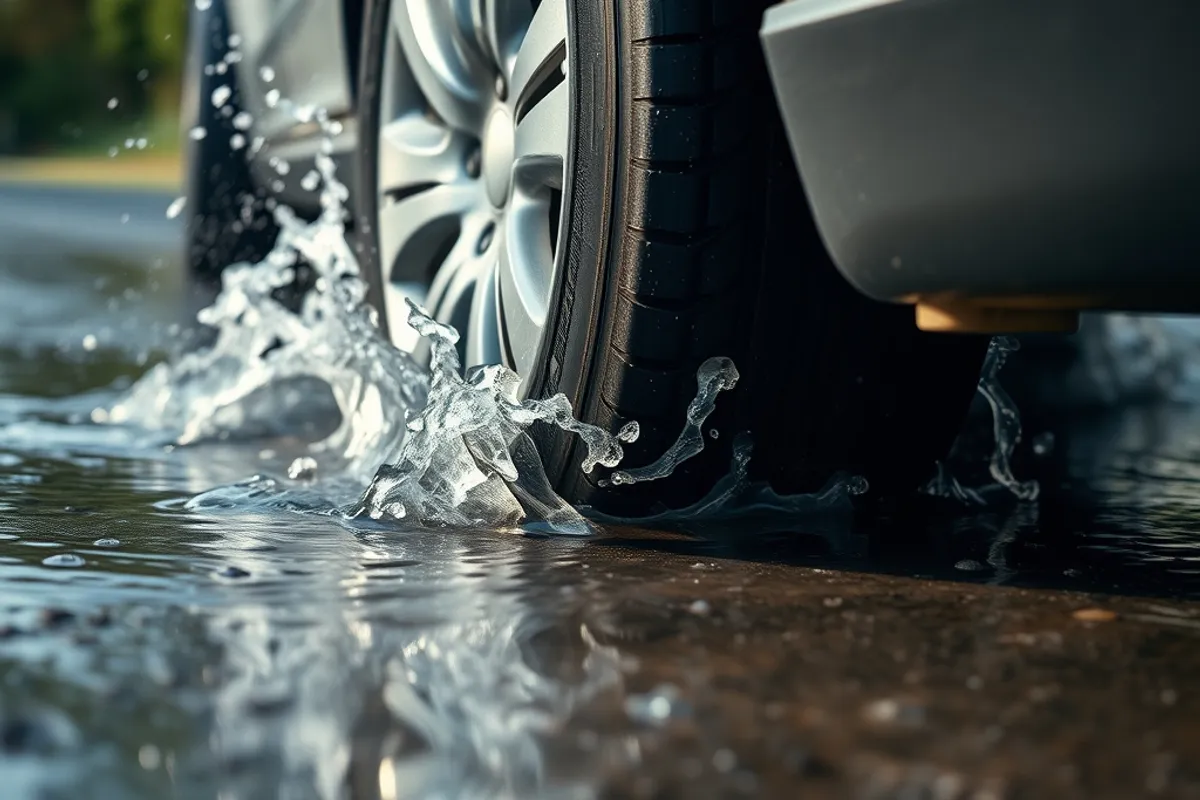
Hydroplaning happens when a wedge of water lifts the tyre off the road. If it occurs, ease off the accelerator, keep the wheel straight and avoid harsh braking. Let the tyres find grip again before steering.
Deep standing water can hide potholes and drain covers. If you must drive through it, go slowly in the lowest practical gear. Afterward, test the brakes gently and check that the steering still feels normal.
In the rain, smoothness is speed.
Long road trip preparationTire care basicsBad weather driving guidance