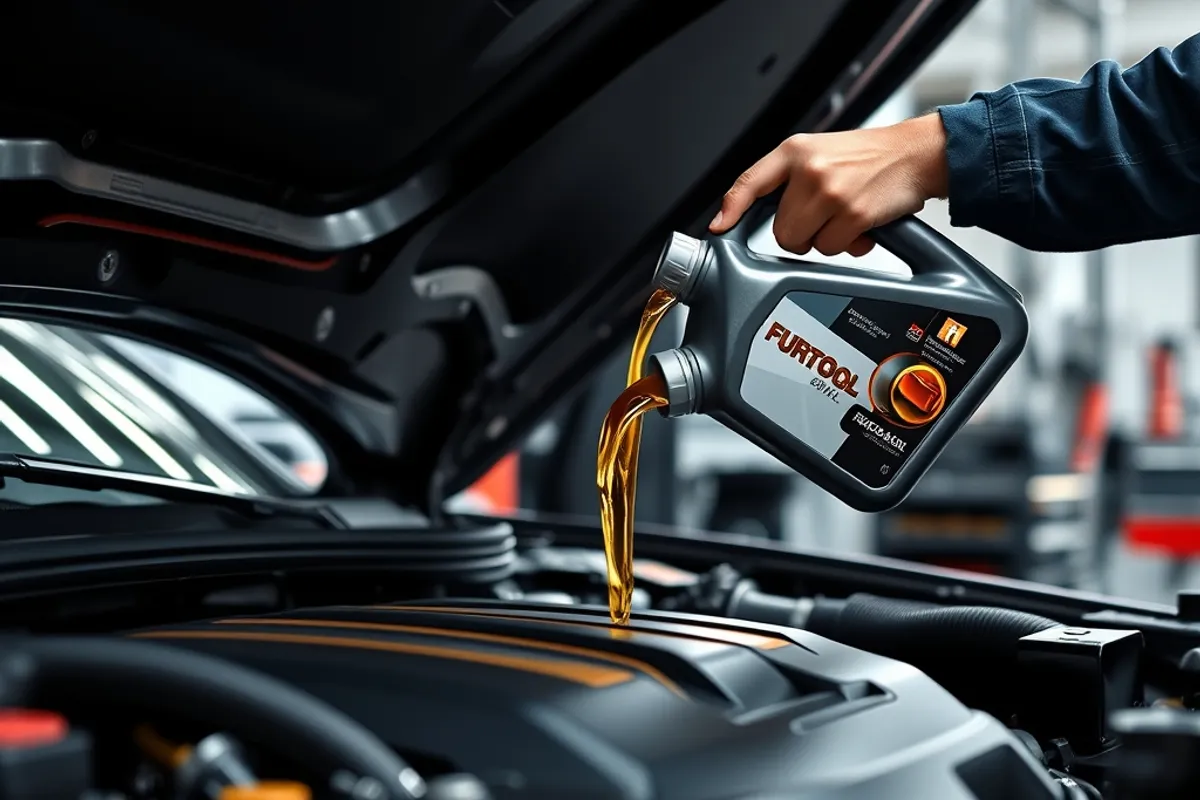
This checklist keeps the essentials in one place so you can leave on time and arrive relaxed.
Check the Car the Day Before
Check tyre pressure and tread, all fluid levels, lights and wipers. Look under the car for fresh drips and inspect the battery terminals. If a service is due, do it before the trip rather than halfway through.
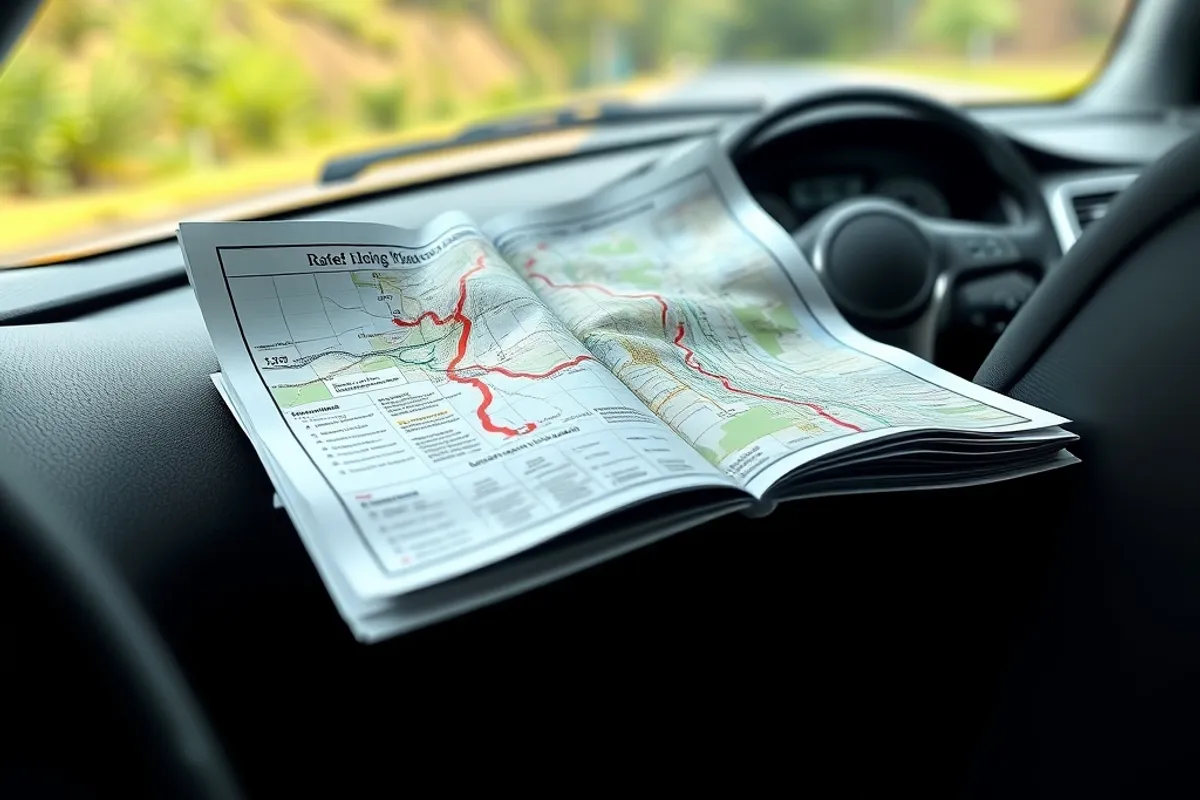
Load the car evenly and secure everything that could move. Check that the spare tyre, jack and wheel brace are present and in working order. A phone charger and a paper map backup are useful when signal disappears.

Plan the Route and Conditions
Save the route offline and note alternative roads around major cities. Look at the weather along the whole journey, not just at departure. If snow, flooding or high winds are forecast, consider shifting the date.
Share your plan with someone you trust and send an expected arrival time. For border crossings or toll roads, keep documents and payment methods within easy reach.
Build an Emergency Kit
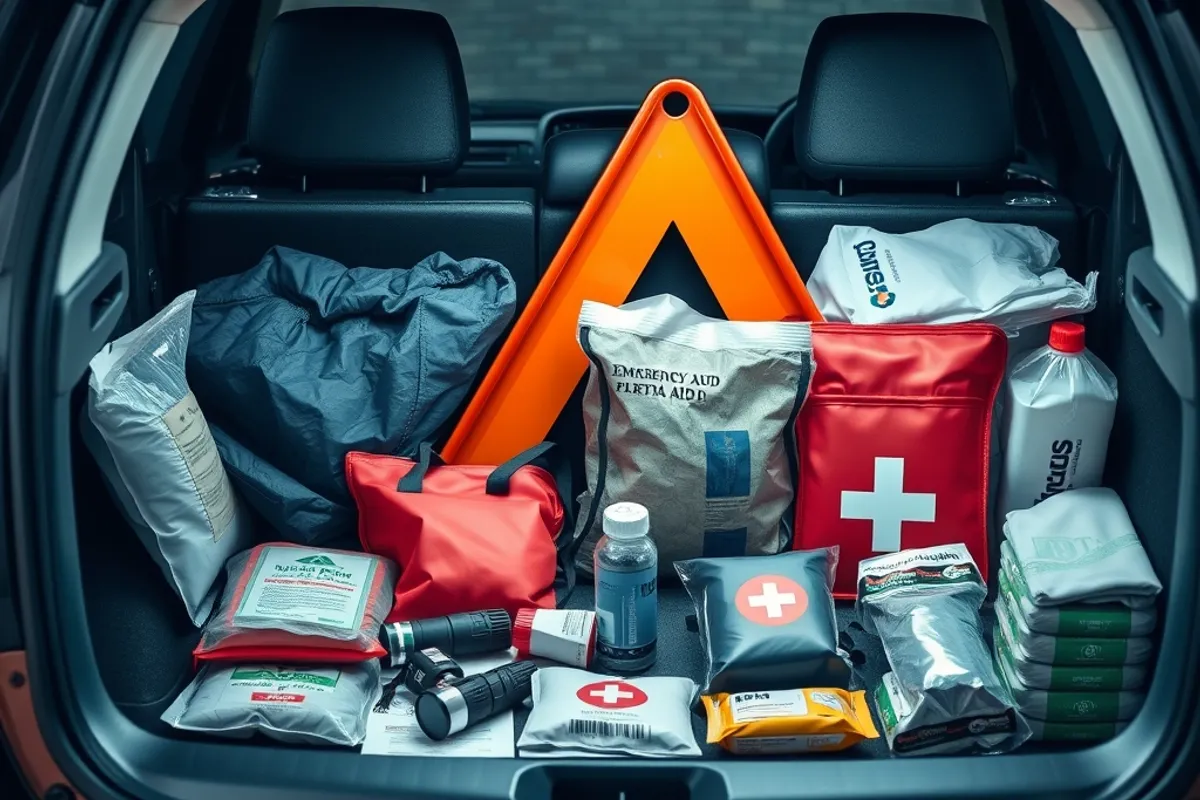
Carry a warning triangle or hazard marker, reflective vest, first aid kit, torch, jump leads and a basic tool set. Add water, a blanket and a portable power bank, especially for winter or remote routes.
Check expiry dates on medications and keep the kit where you can reach it safely. Know how to change a wheel and how to use the jack before you need to do it beside a busy road.
Manage Fatigue Properly
Plan a break every two hours or so, even if you feel alert. Short walks and fresh air help more than a phone call. Share driving if possible, and avoid starting a long trip after a poor night of sleep.
Caffeine does not replace rest. If you are yawning, drifting between lanes or missing exits, stop in a safe place. A twenty minute nap can be worth more than another hundred kilometres.

Arriving tired is no better than arriving late.
Wet weather drivingOil change interval guideRoad safety information