This guide keeps the decision practical: what the connectors mean, what an electrician needs to check and which features genuinely help.
Understand the Connector Types
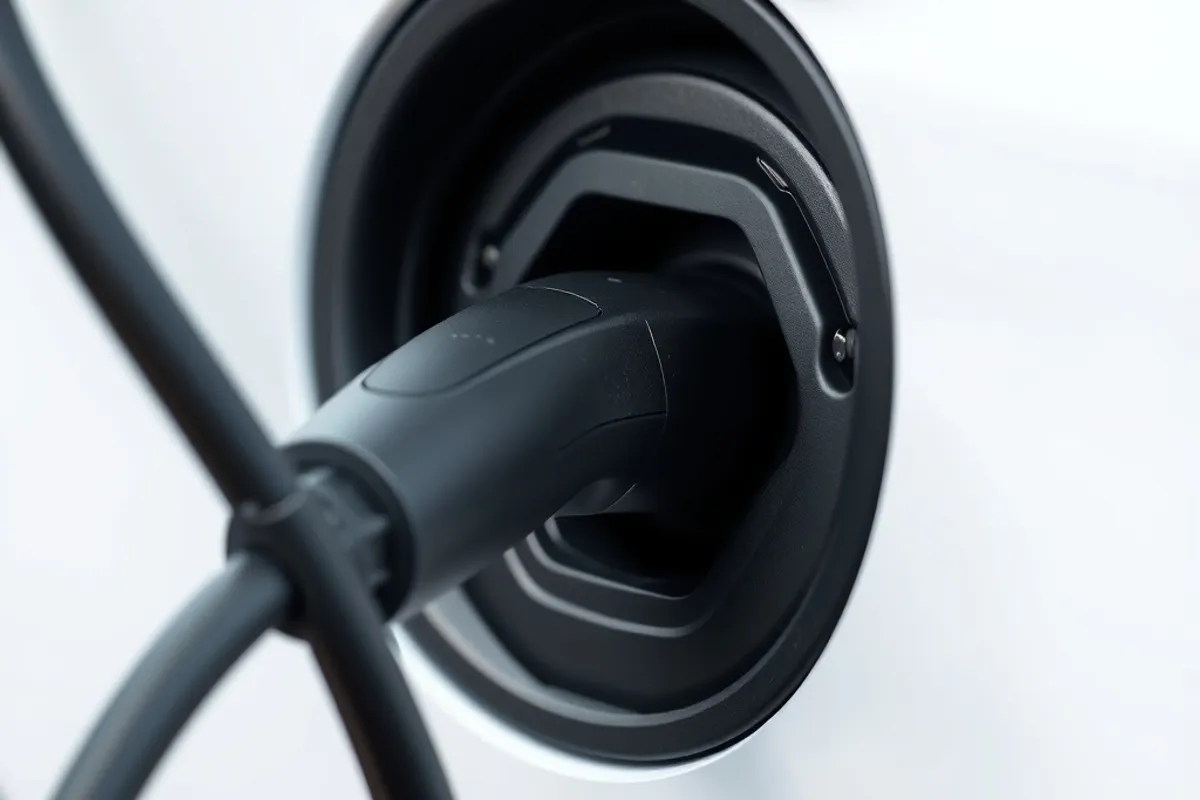
Most homes use a Type 2 wall box for alternating current charging. The car carries the charger and the wall box supplies power safely. Direct current rapid charging is different and is normally found at public stations.
Check the car’s onboard charger rating. A wall box that can deliver more power than the car accepts will not charge faster, so paying for the largest unit is often wasted money.
Check the Electrical Supply
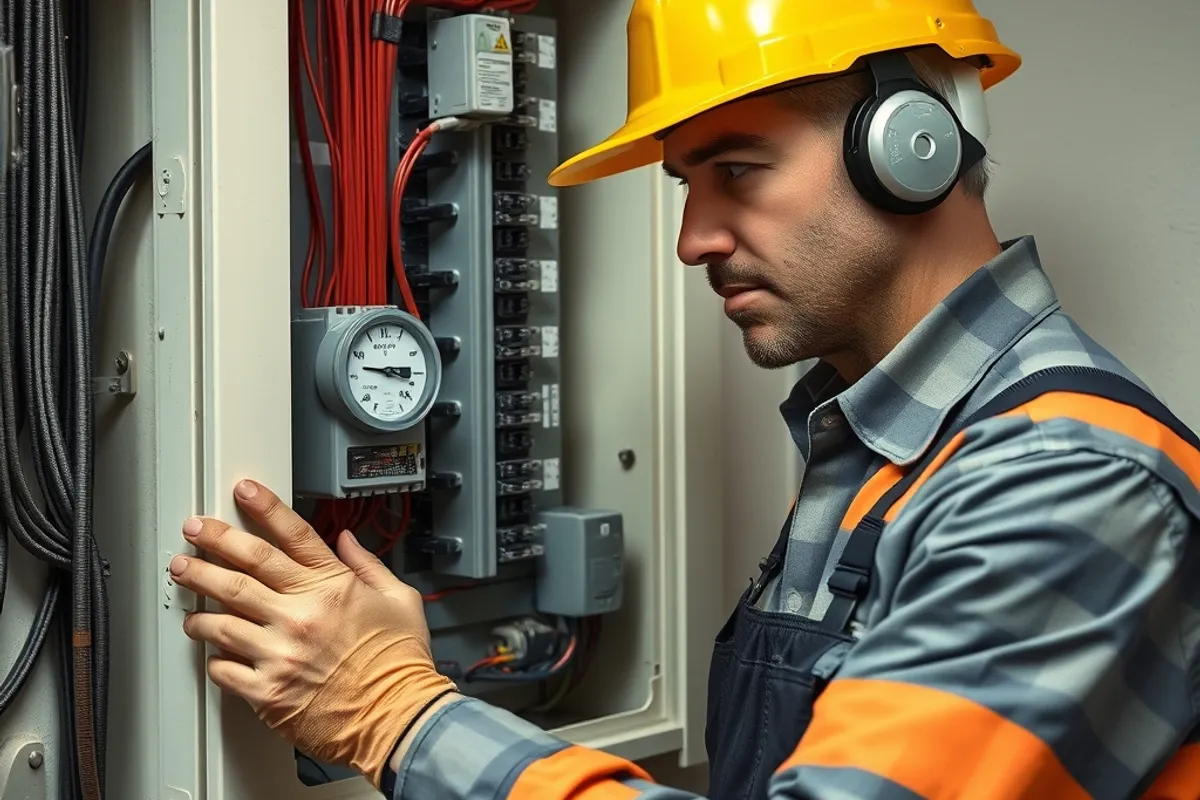
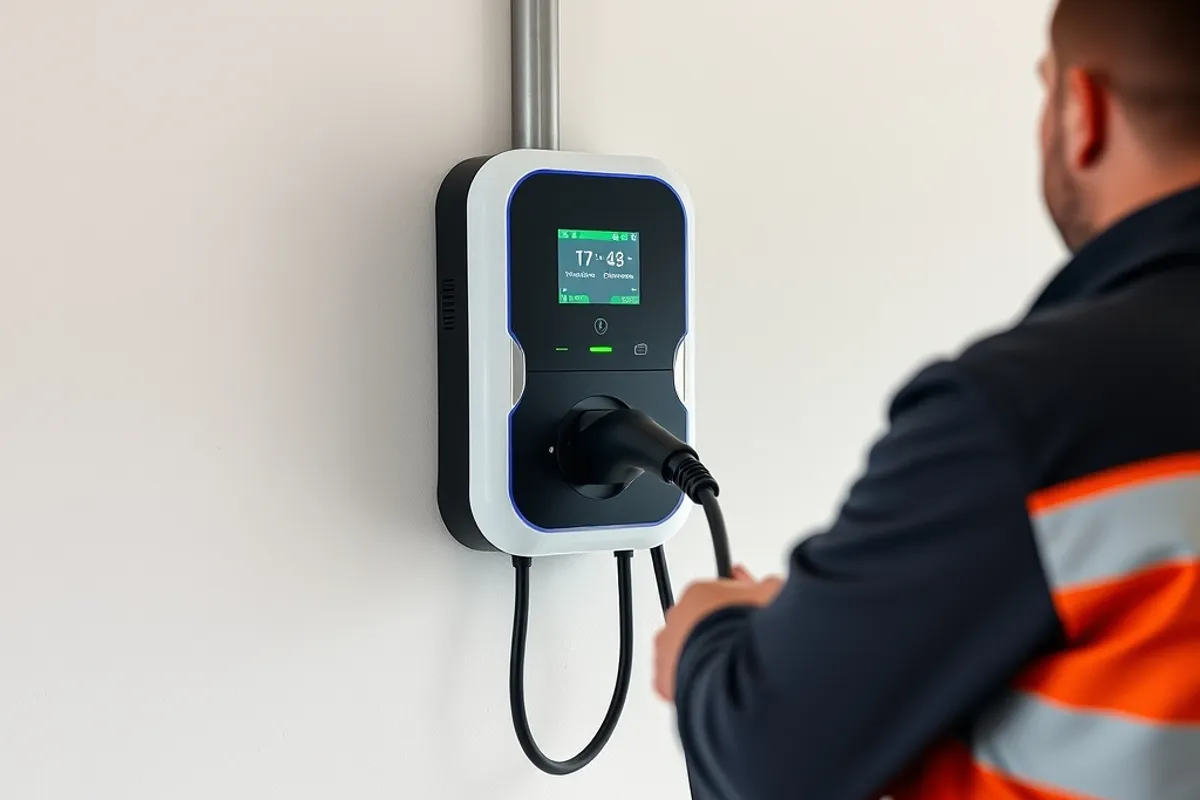
A competent electrician should assess the consumer unit, cable run and available capacity before installation. They will confirm earthing, protection devices and whether the supply can support the chosen charging current continuously.
Do not assume a garage socket is suitable. Long cable runs, shared circuits and older wiring all affect the design. Permits or utility notifications may apply in some areas, so ask the installer to handle them.
Installation Basics
Mount the unit where the cable reaches the car without stretching across a walkway. A short, tidy cable is easier to use and less likely to be damaged. Weatherproofing matters if the charger lives outdoors.
Ask for a dedicated circuit and a clearly labelled switch. Good installers will test the earth loop impedance, confirm protection devices trip correctly and hand over documentation for future maintenance.
Smart Charging and Daily Habits
Scheduled charging lets you use cheaper overnight electricity and finish at a chosen time. Many cars and chargers also let you set a charge limit, which is useful for daily driving and can reduce battery wear.
Plugging in every night is fine if the car supports a lower limit. Focus on the middle range of the battery for routine use and save full charges for long trips. Keep the cable dry and inspect the connector for damage.
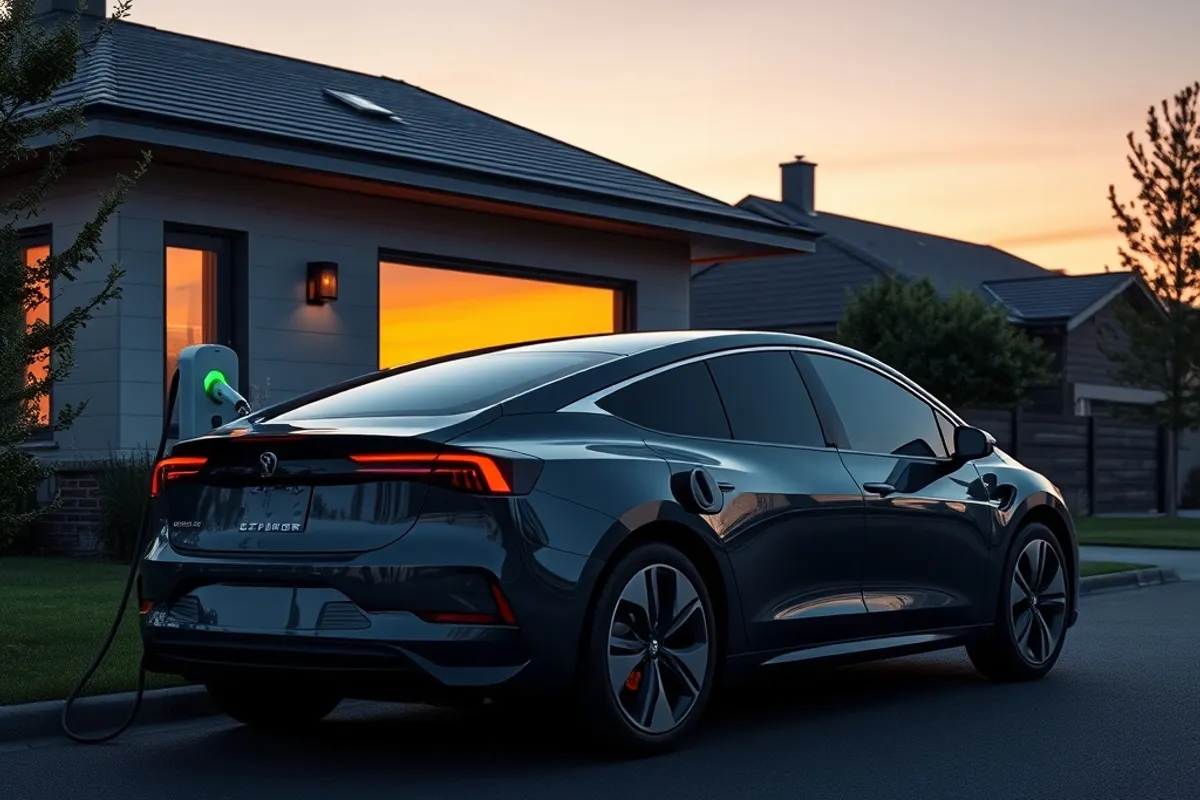
The best home charger is the one matched to your car and your electrical supply.