Choose the system around what you actually carry, then fit it carefully and check it again after the first drive.
Know Your Load Limits
Look for two separate figures: the maximum load for the roof and the limit for the rack itself. The lower number wins. Dynamic load applies while driving; static load for a roof tent is usually higher and must be checked separately.
Remember that the rated load includes the weight of the box or basket. Spread heavy items low and evenly, and keep the heaviest things inside the car where possible.
Match the System to the Car
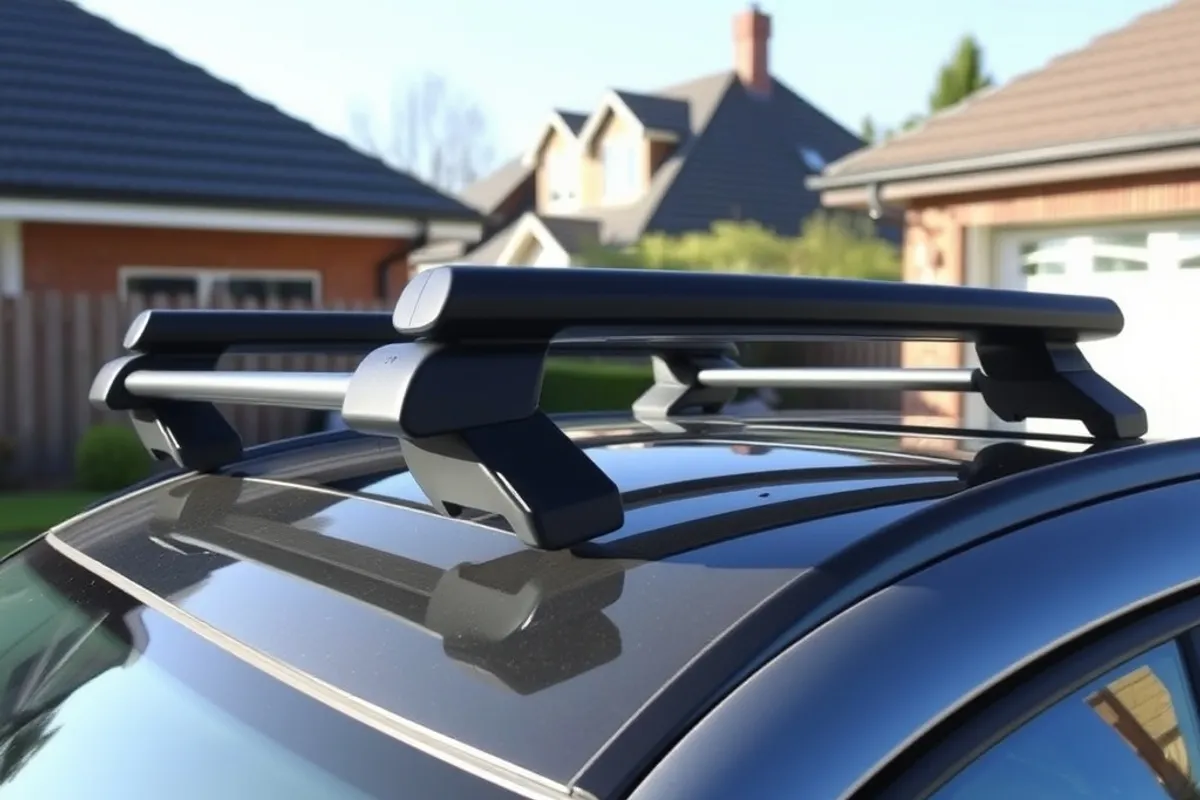
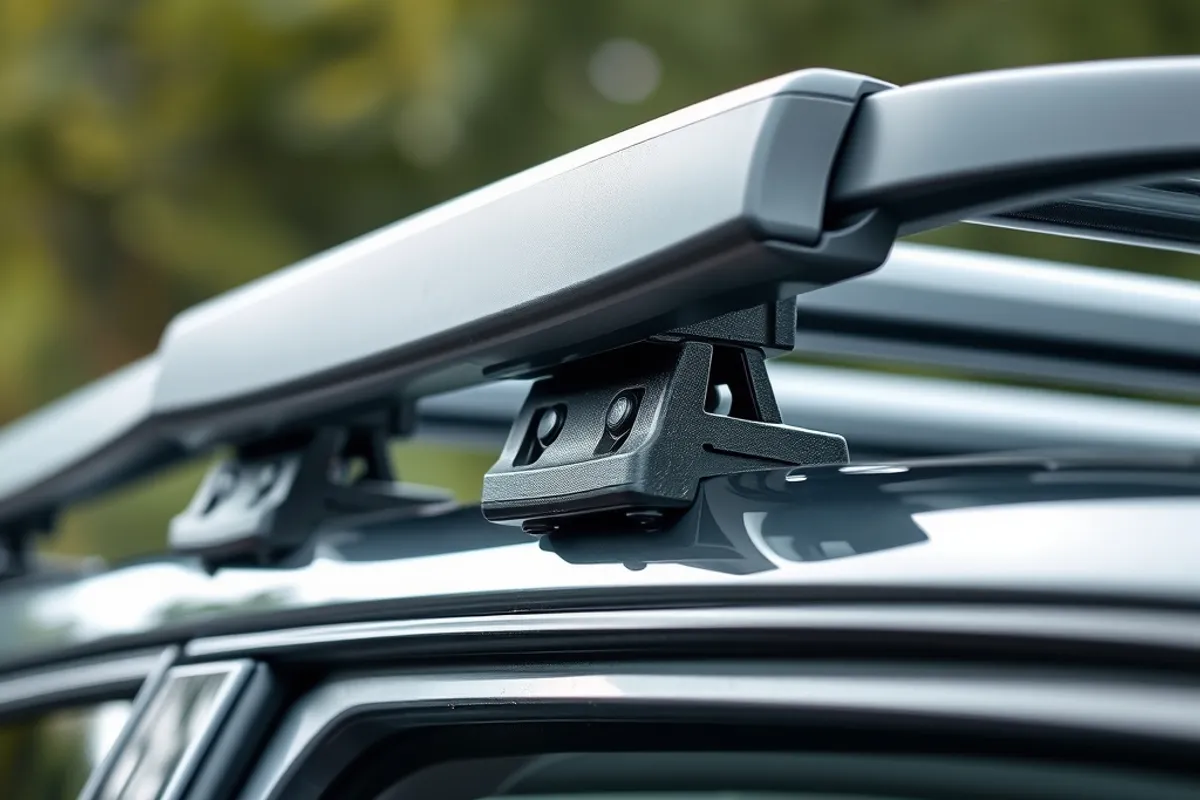
Cars with roof rails use raised bars or fixed point systems; cars without rails may need clamps that grip the door frame. Always buy parts listed for the exact model and year, because roof shapes change quickly.
Check whether the bars must be cut to length and whether a fitting kit is required. Poorly matched feet can mark paint or work loose. A small ratchet strap used as a safety tether is cheap insurance.
Box, Basket or Tray
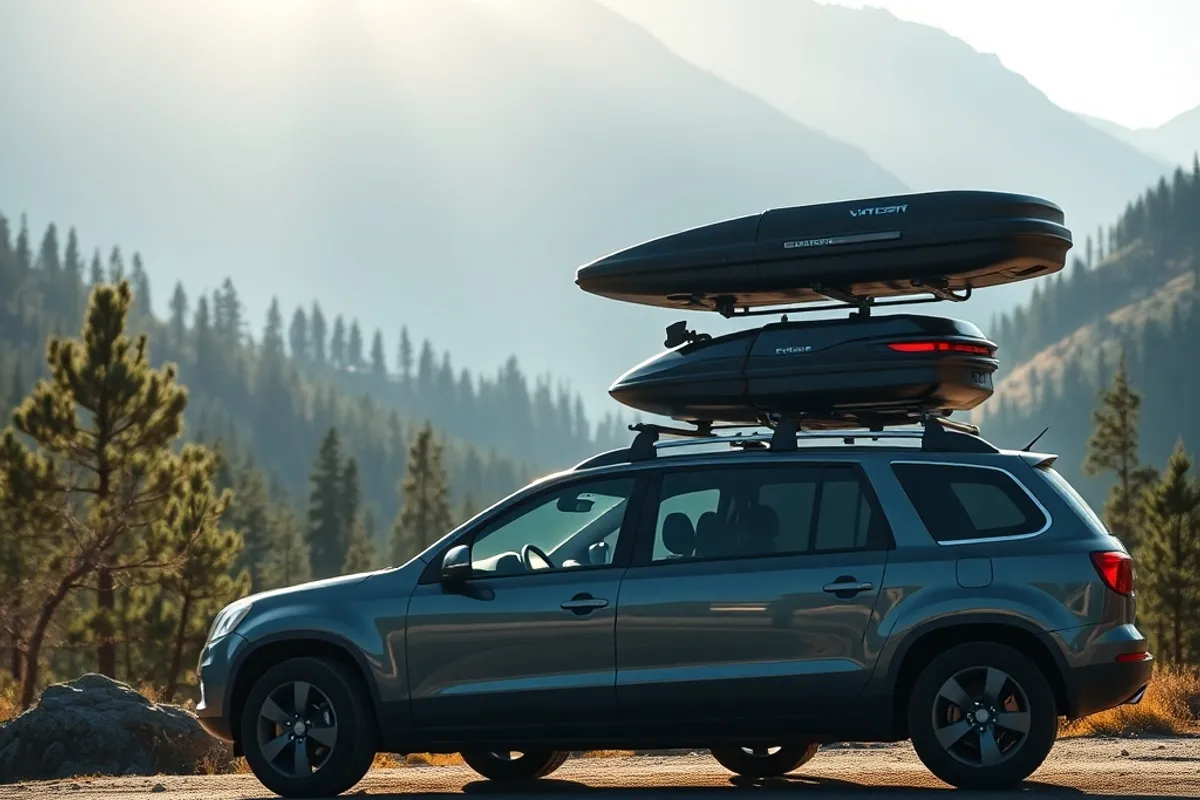
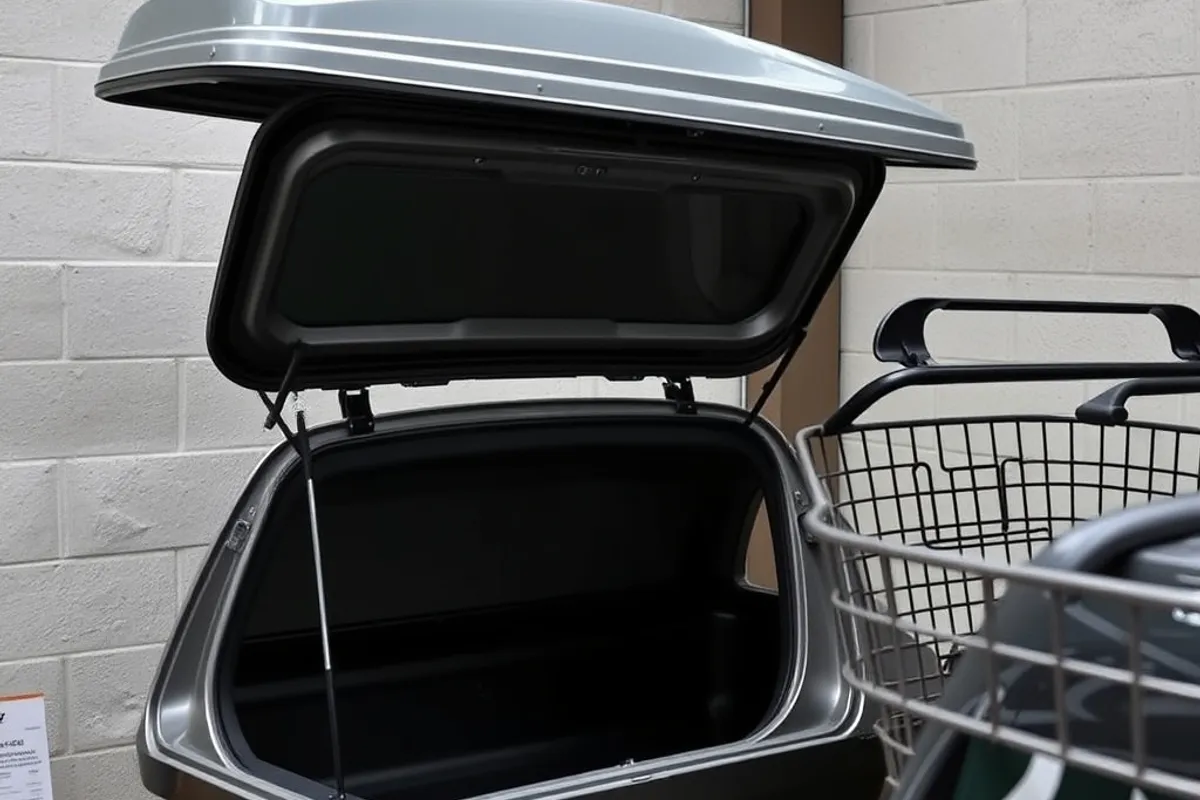
A hard box is aerodynamic, secure and weatherproof, which suits luggage and camping gear. It also adds permanent drag when empty. A basket handles awkward shapes and wet equipment but needs a cover and careful strapping.
A flat tray suits bikes, boards and ladders with the right clamps. Choose by the shape of your cargo, not by appearances, and make sure the tailgate can still open with the setup fitted.
Fit, Drive and Recheck
Follow the torque settings in the manual and refit the system from scratch after a few hundred kilometres. Listen for new wind noise, which often means a fairing or bar is misaligned.
Expect higher fuel use and more wind buffeting with a roof box. Remove it when it is not needed, clean the mounting points and store the keys separately from the car.
A roof rack is only as good as its fit and its load rating.