This guide separates changes that improve real driving from those that mainly change the look.
Start With a Healthy Baseline
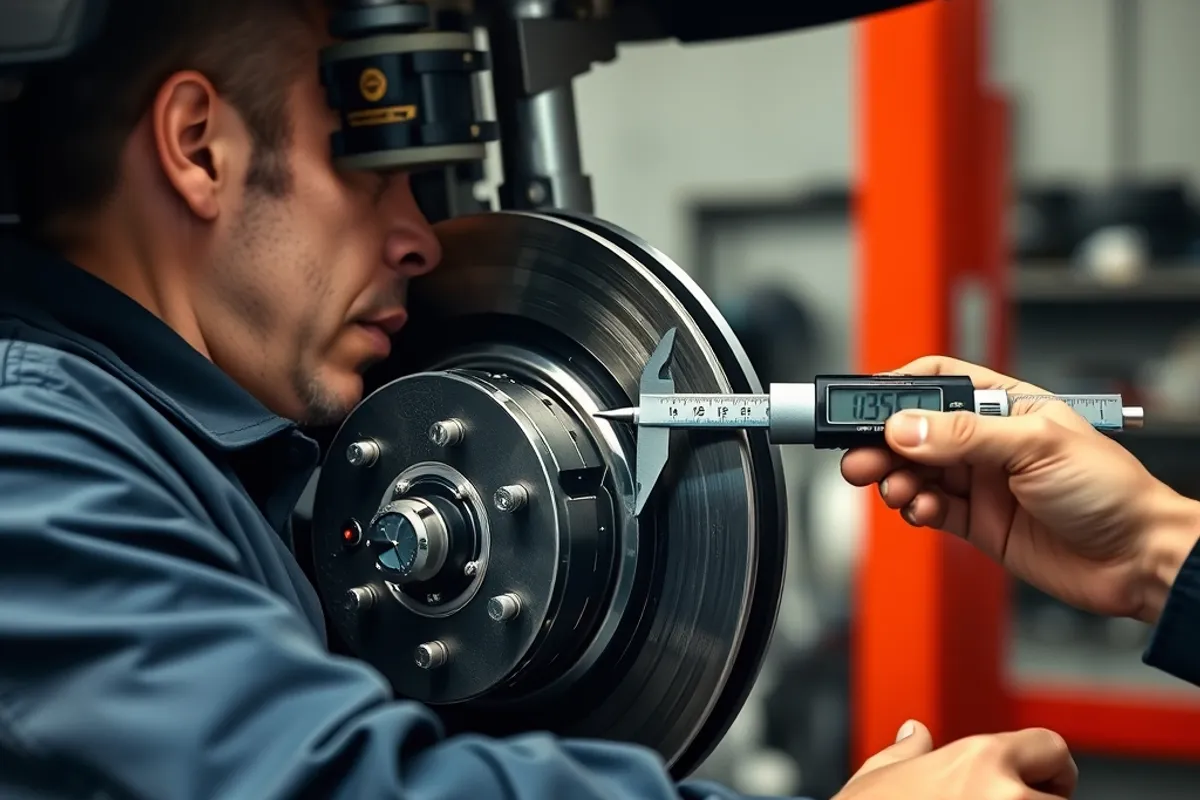
Before buying parts, check the current system. Worn pads, glazed discs, seized caliper slides and old fluid cause more poor braking than any missing upgrade. Replacing tired components often restores the original performance.
Brake fluid absorbs moisture over time, which lowers its boiling point. A flush with the correct specification is one of the best value changes for a car that sees spirited driving or long descents.
Pads and Discs That Suit Your Use
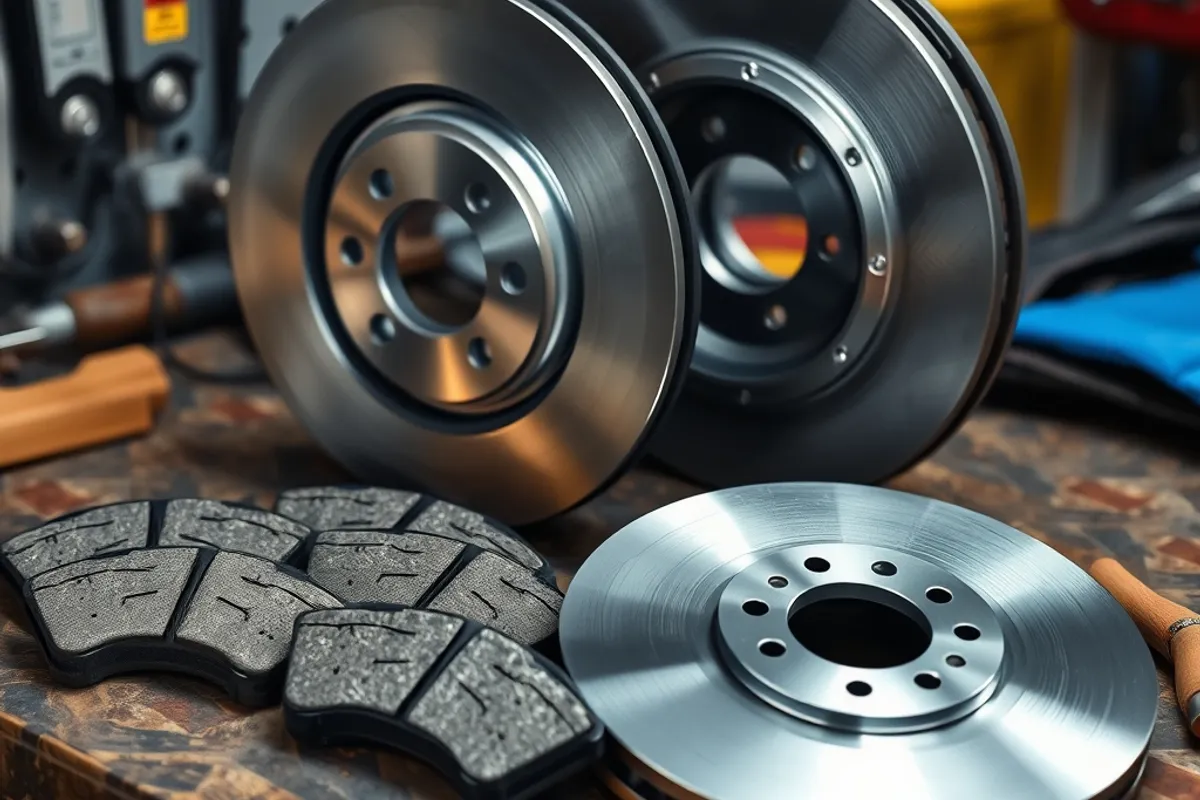
A slightly higher friction pad can improve bite without noise or dust. Track-oriented compounds need heat to work and may feel poor on the road, so choose by temperature range rather than brand claims.
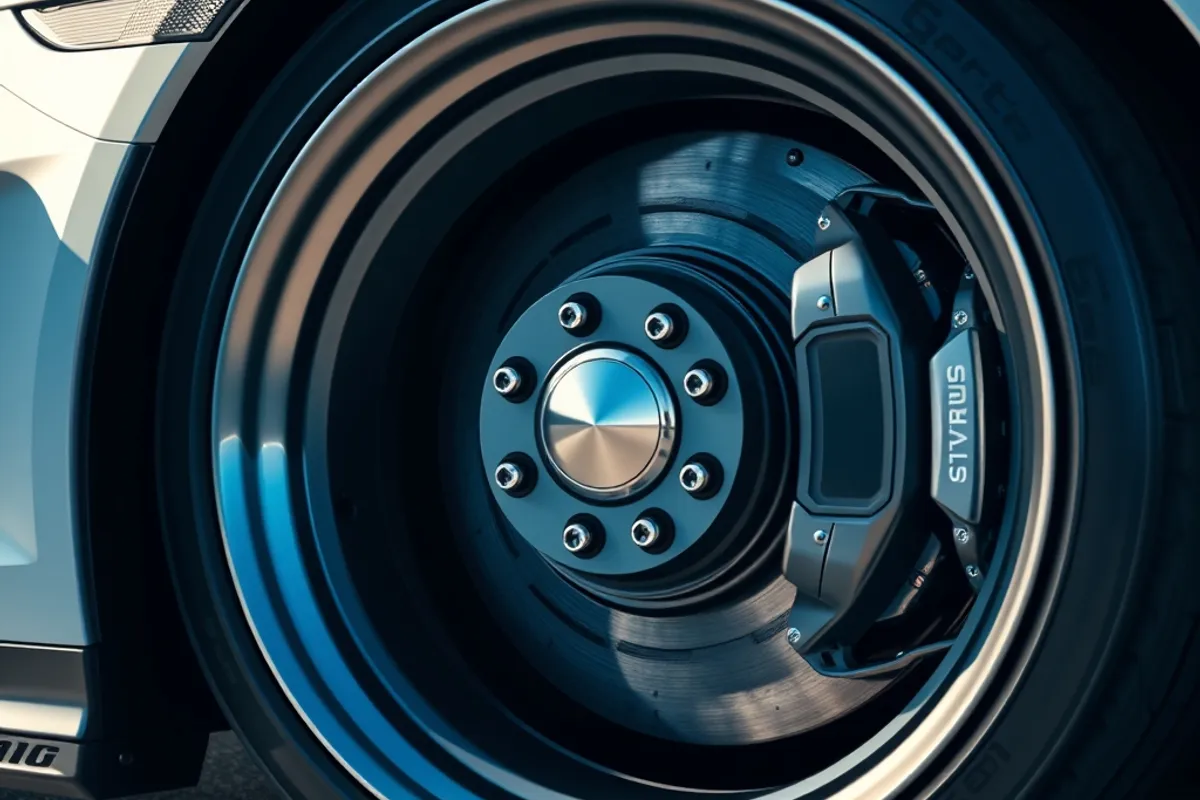
Larger or slotted discs help dissipate heat and resist fade on repeated stops. On a road car they add unsprung weight and cost, so they make sense only if the existing system overheats.
Lines, Fluid and Pedal Feel
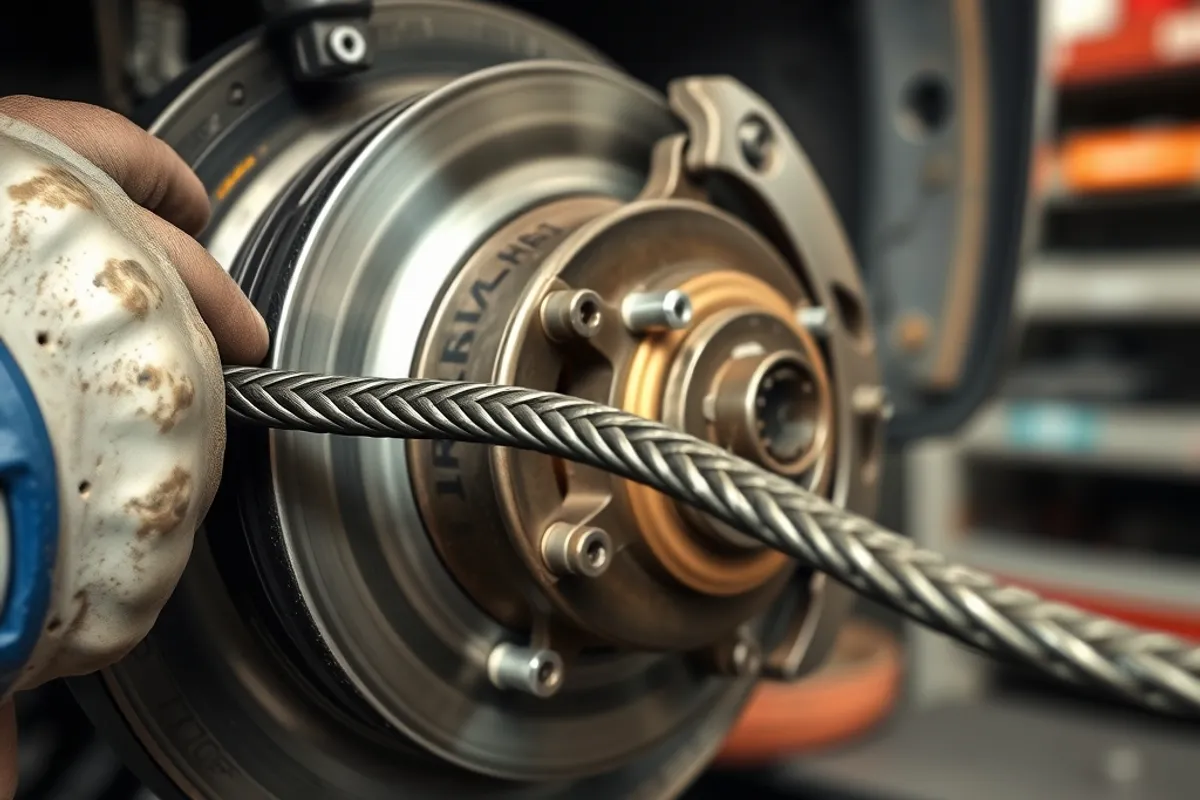
Braided stainless lines reduce the slight expansion of rubber hoses, giving a firmer pedal. The gain is modest but welcome on cars used for fast road driving. Installation must be careful and leak free.
Pair any line change with fresh high quality fluid. Do not mix incompatible fluid types, and always bleed the system in the order specified by the manufacturer.
Budget, Fitment and the Law
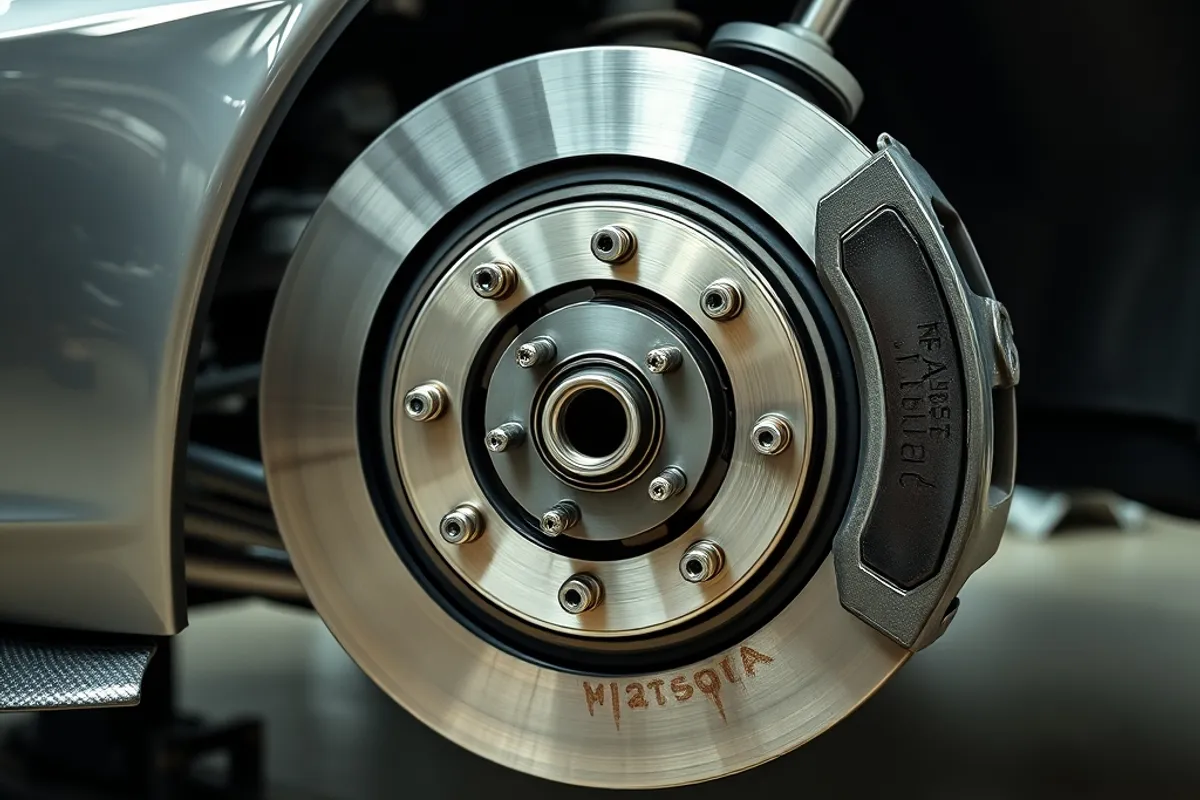
Check that parts fit the exact model and that modifications remain legal where you drive. Caliper covers and oversized kits can affect wheel clearance and insurance. Keep receipts and specification sheets.
If braking feels worse after a change, stop and have the work checked. Pedal travel, pulling to one side and vibration under braking are signs that something needs attention before further driving.
Consistent braking beats a dramatic first stop.
Roof rack buying guideFinancing basicsVehicle safety information